Introduction
Novosibirsk is a city of wide rivers, long winters and a resilient spirit. For fathers here, tradition and everyday life combine into rich opportunities to raise children who are strong, kind and united. This article offers practical, culturally aware ideas—drawing on male upbringing traditions such as shared labor, outdoor skills and family rituals—while adapting them to modern emotional and social needs.
Why traditions still matter
— Traditions transmit skills, values and identity across generations.
— Rituals (from dacha weekends to trips to the banya) create belonging and stability.
— Practical learning—woodworking, fishing, winter survival—builds confidence and responsibility.
— When combined with emotional openness, these traditions form non‑toxic models of masculinity.
Core traditions adapted for today
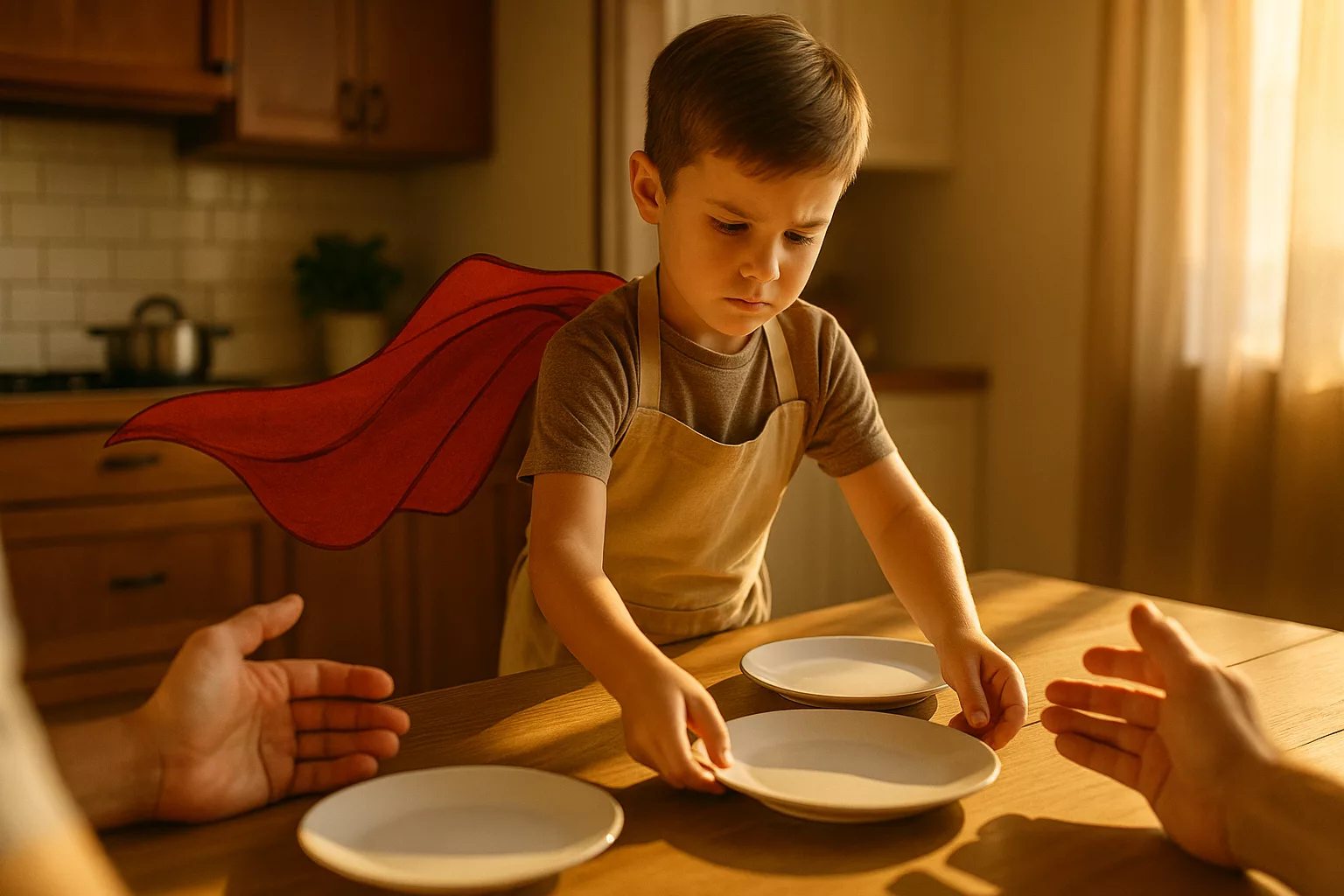
— Shared household labor: teach children to cook, repair, and manage the home. *Doing chores together is both practical training and quality time.*
— Outdoor life: introduce safe fishing, sledding, winter hiking and navigation on the Ob embankment; emphasize planning, safety and respect for nature.
— Craftsmanship: simple carpentry, bicycle maintenance or electronics projects teach patience and problem‑solving.
— Storytelling and family history: regular conversations about grandparents, migration stories, or city history strengthen identity.
— Banya and ritual moments: use relaxed, routine rituals (sauna with clear safety rules or a Sunday family meal) as moments for connection and reflection.
Raising emotionally strong, united children
— Model calm strength: show how to handle stress with steady action and clear communication.
— Teach emotional vocabulary: name feelings, ask about them and normalize talking about moods and fears.
— Promote teamwork: assign collective tasks that require cooperation—preparing dinner, fixing a winter tire, building a snow fort.
— Practice conflict resolution: coach children through disagreements with rules for fair turns, apologies and restitution.
— Encourage empathy and respect: reward acts of care and fairness, not just achievement.
Weekly routine ideas for busy fathers
— Monday: 20–30 minutes of reading or storytelling before bed.
— Wednesday evening: quick fix-it session—teach a tool or repair skill.
— Saturday morning: outdoor activity—park walk, skating, or short dacha trip in season.
— Sunday: family meal where everyone helps cook and shares one highlight from their week.
Activities and projects (simple, local-friendly)
— Build a birdhouse or sled together—small design, shared responsibility.
— Learn to prepare a family recipe; have children pick one ingredient each time.
— Winter safety drill: practice layering, hypothermia awareness and a must‑have kit for outings.
— Volunteer as a family for a local clean-up or charity event—teamwork with social purpose.
— Join a sports club or DYuSSh (children and youth sports school) to mix discipline, community and physical strength.
Local opportunities in Novosibirsk
— Akademgorodok cultural and science events: good for curious kids and father‑child exploration.
— Outdoor outlet: Ob River embankment—safe places for skating and riverside walks (observe seasonal safety).
— Municipal family centers, libraries and youth clubs often run workshops and father–child programs—check local listings.
— Sports schools and weekend clubs teach teamwork, discipline and physical skills.
— Dacha weekends: use them for practical lessons (gardening, repairs, tool safety) and uninterrupted family time.
Safety and inclusivity
— Tailor risky activities to age and ability; always prioritize supervision and proper gear.
— Encourage daughters and sons equally to try skills and leadership roles.
— Coordinate with mothers and caregivers for consistent values and routines.
Practical checklist for fathers
— Schedule regular one-on-ones with each child (even 20–30 minutes weekly).
— Pick two skill projects for the season (one indoors, one outdoors).
— Establish a simple family ritual (weekly meal, banya rules, story night).
— Enroll in or visit one local club or workshop every few months.
— Reflect monthly: what values did you model? What do you want to change?
Conclusion
Fatherhood in Novosibirsk can weave the strength of Siberian traditions with modern emotional skills. By combining practical teaching—tools, outdoor life and community—with open communication and shared rituals, fathers can raise children who are resilient, compassionate and united. Small, consistent actions build a legacy that lasts generations.